Antenatal care
Booking visit, scans, tests and regular check-ups with your own midwife and obstetrician, from six weeks until your baby arrives.
Discover moreFrom a first pregnancy scan to the questions that come with menopause, you are seen in a private room by a female-led team, given the full picture, and never hurried.

Closed-door consultations, a quiet waiting lounge, and a reason for visiting that is never discussed across the front desk.
First consultations are booked for 40 minutes, so there is room for every question, including the ones you feel shy to ask.
The same midwife and doctor follow your pregnancy from your booking visit to your six-week check after birth.
Everything a woman may need from a clinic, from pregnancy to midlife, offered in one calm house on Chime Avenue.
Booking visit, scans, tests and regular check-ups with your own midwife and obstetrician, from six weeks until your baby arrives.
Discover moreLow-risk births in our two-room birth suite, a theatre ready for caesarean births, and a midwife's home visit in your first week.
Discover morePeriod problems, fibroids, cysts, pelvic pain and recurring infections, assessed calmly and treated with your preferences in mind.
Discover moreAn honest first assessment for couples trying to conceive, with tests for both partners and clear guidance on what comes next.
Discover moreSupport for hot flushes, sleep, mood and bone health, with time to weigh every option, with or without hormones.
Discover moreSmall weekday and Saturday classes on labour, breastfeeding and the first weeks at home with your newborn.
Discover more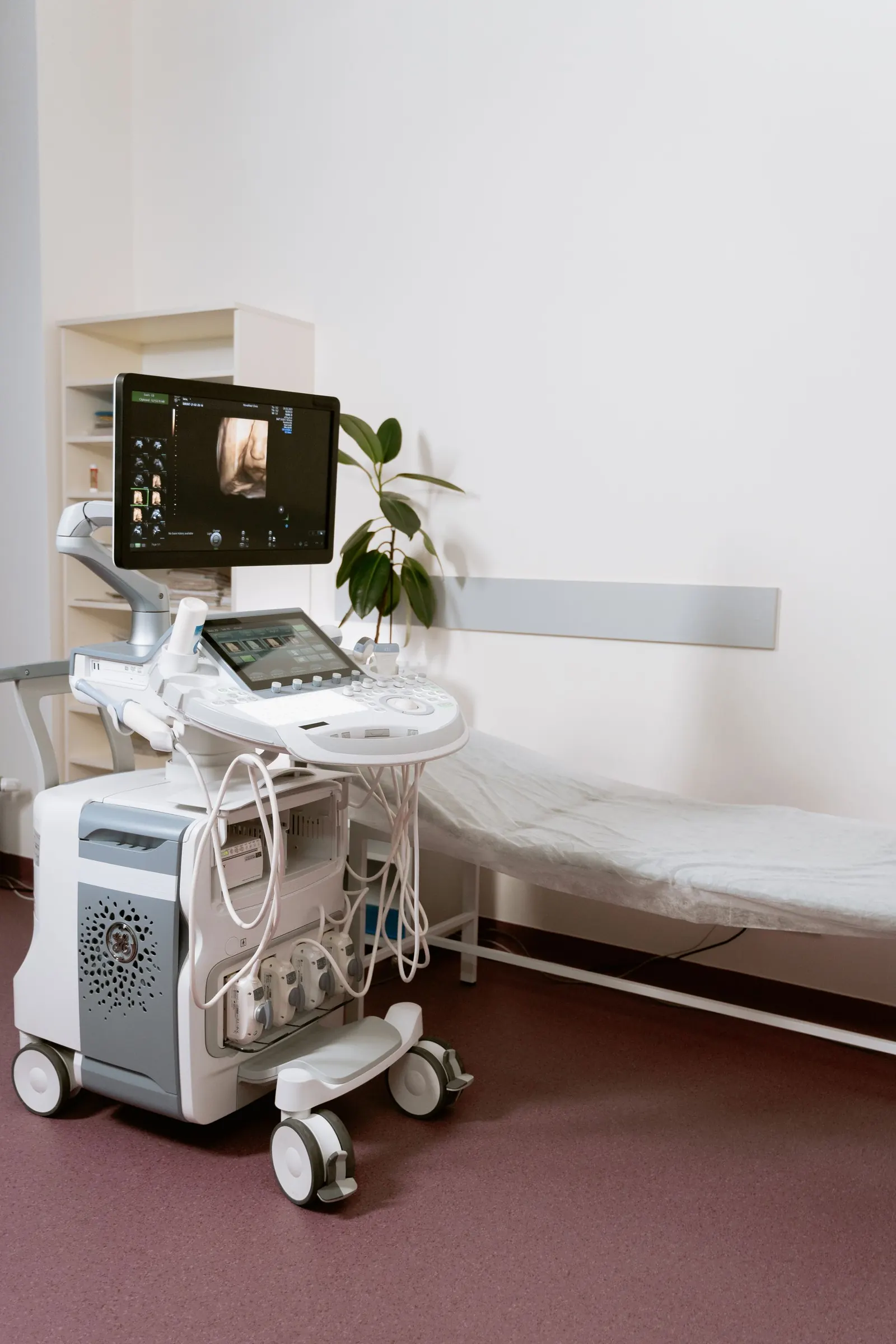
When you book your pregnancy with us, you are given a named midwife and a consultant obstetrician who stay with you to the end. By the time you go into labour, they know your history, your worries and your wishes for the birth.
Scans are done in our own suite and explained the same day, and a midwife is only ever a phone call away, by day or by night.
Chinwe Okeke
Clinic Director
Many of the women who come to Silver Acacia have, at some point, felt rushed through a consultation or spoken about as though they were not in the room. We set out to build the opposite: a calm house in New Haven where you are greeted by name, given time, and told the truth kindly.
My work is to make sure that promise holds every single day, from the way our receptionists answer the phone to how quickly an anxious mother reaches a midwife at two in the morning. I read every piece of feedback you leave with us, and I would be glad to hear from you.
Warmly, Chinwe Okeke
I had lost two pregnancies before and came in terrified. My midwife let me hear the heartbeat at every visit, and she answered my calls at odd hours without once making me feel like a nuisance. My daughter is fourteen months old now.
Short, honest reading on the questions women ask us most often.
From around 28 weeks, your baby's movements are one of the clearest signs of how they are doing. Here is what to notice and when to call.
There is no magic number of kicks. What matters is your own baby's pattern, which you will come to know well in the third trimester.
If the movements slow down, change or stop, call our 24-hour line straight away. Please do not wait until the next day, and do not rely on a home heartbeat monitor to reassure yourself.
We would always rather see you and find that all is well than have you sit at home with the worry.
Many women in their thirties and forties are told they have fibroids. Most will never need surgery. A few good questions help you understand where you stand.
Fibroids are non-cancerous growths in the muscle of the womb. Their size matters, but so does their position, and whether they cause heavy bleeding, pain, pressure or difficulty conceiving.
Ask your doctor where the fibroids sit, how large the biggest one is, and whether they could affect a future pregnancy. Bring earlier scan reports so changes can be compared over time.
Options range from simply monitoring, to medicines that ease bleeding, to surgery when it is truly needed. You should never feel pushed into an operation without understanding why.
Irregular periods, broken sleep and sudden warmth in your early forties are common. You do not have to simply endure them.
Perimenopause is the transition before periods stop altogether. For many women it begins in the early to mid forties and can last several years.
Keeping a simple diary of your periods, sleep and symptoms for two or three months makes your consultation far more useful.
Treatment may include lifestyle changes, non-hormonal medicines or hormone therapy, depending on your health and your preferences. It is also a good moment for a blood pressure check, a breast examination and cervical screening.
Book a private consultation online or by WhatsApp. A coordinator will call you back discreetly to agree a time that suits you.